Blog Posts
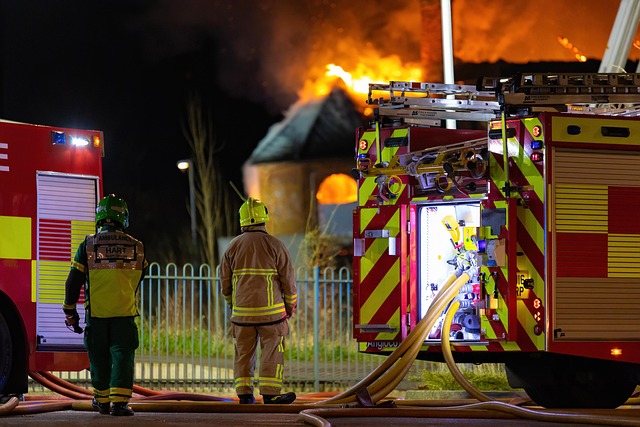
Latest GOV.UK Fire Statistics Reveal Rising Fire Incidents Across England
Latest England fire statistics reveal rising incidents, fires and false alarms. Learn what the figures mean for workplace fire safety and training.

Fire Doors: Why Keeping Them Closed Could Save Lives
Why should you keep fire doors closed?

What Causes a Fire Extinguisher to Fail an Inspection?
What happens when fire extinguishers fail an inspection? What happens next?
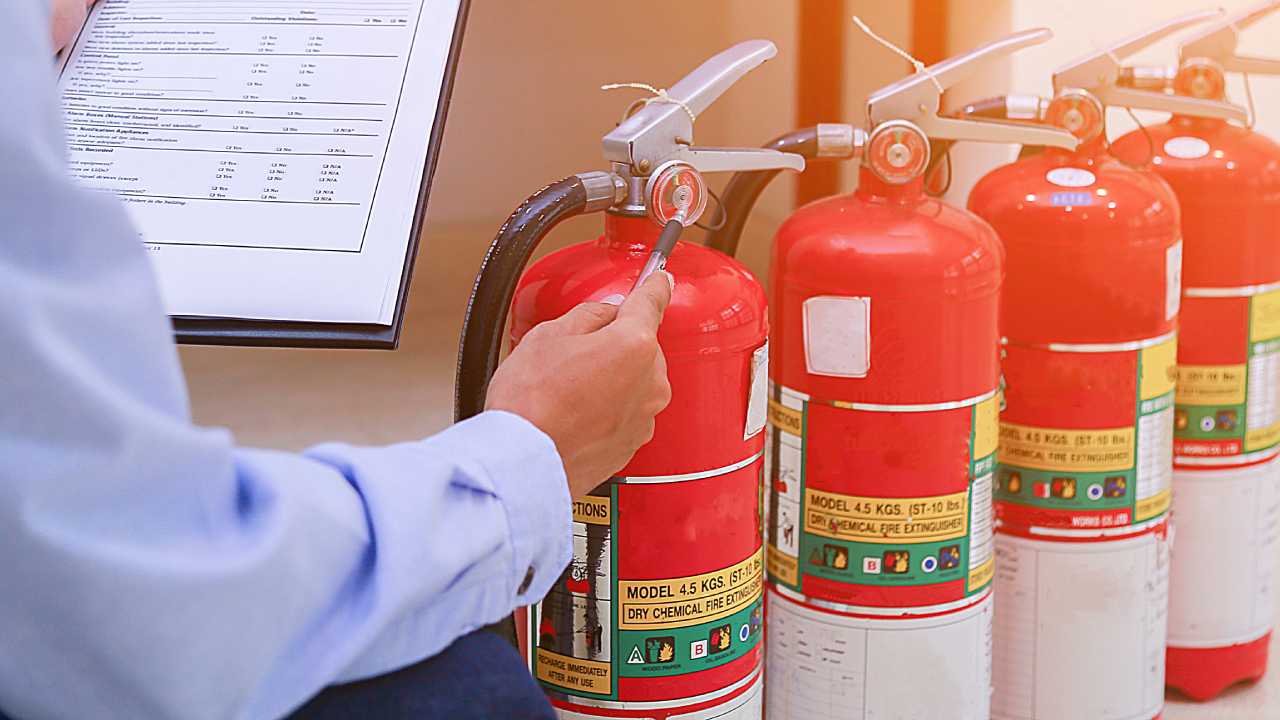
Can You Service a Fire Extinguisher Yourself?
Can you service a fire extinguisher yourself? And what can a responsible person check themselves? We answer this and more in this blog.
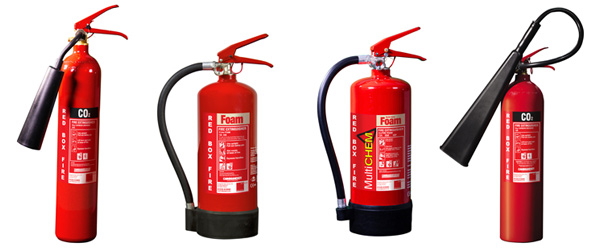
How to Tell if Your Fire Extinguisher Has Expired
A well-maintained fire extinguisher could last for many years. However, most fire extinguishers don’t come with an expiry date and most people often don’t know how to tell when it has expired...

How Often Should a Fire Risk Assessment Be Reviewed?
We cover what a fire risk assessment is, how often it should be reviewed, and who is responsible for keeping the assessment up to date.

What is Fire Extinguisher Maintenance?
In order for your business to be compliant, the fire extinguishers within your business need to be serviced every 12 months, but what is included in a fire extinguisher maintenance service?
How Often Should Staff Fire Safety Training be Held?
Regular fire safety training ensures staff are prepared to respond quickly and effectively in emergencies, reducing risks to people and property. Do you know how often your staff should be trained?

What Type of Fire Extinguisher Is Best For Kitchen Fires Involving Cooking Oils?
When it comes to fires in the home, the kitchen is a common room for a fire to start and can be extremely dangerous if not handled properly.
Fire Extinguisher Types and When to Use Them
There are various types of fire extinguisher, each designed to tackle different classes of fire. The “class” refers to different types of fuel, for example A = combustibles, B = flammable liquids. Different classes of fire require different mechanisms to extinguish them. Some require smothering to remove oxygen, and some require the removal of heat. Here’s a quick guide to understanding when you should use each fire extinguisher.
| Pages: | 1 | 2 | 3 | 4 | 5 | 6 | 7 | 8 | 9 | >> |