




Factory Fire Safety Case Study: How One Site Improved Fire Safety & Compliance
Fire safety in factories and industrial premises presents risks that aren't always found in standard commercial buildings. Machinery, production areas, electrical equipment, flammable materials, storage layouts and staff movement can all affect the level of risk.
This case study shows how Red Box Fire Control helped an industrial business review its existing fire safety arrangements, identify gaps in extinguisher provision and create a safer, more compliant fire safety strategy.
Request a Fire Risk Assessment
A Quick Summary
| Area | Details |
|---|---|
| Client Type | Factory/Industrial Premises |
| Main Issue | Inconsistent fire safety arrangements and unsuitable extinguisher provision |
| Risks found | Incorrect extinguishers, poor strategy, potential machinery contamination, insurance and compliance concerns |
| Red Box Solution | Full site survey, extinguisher review, asset register, indexed proposal, improved placement and signage |
| Outcome | Safer, smarter, more compliant fire cover; later helped contain a real fire incident. |
The Result: A Real Fire was Contained After the Improvements
- What happened after the work was completed
- How the improved fire strategy helped
- Why correct equipment and response planning mattered
- A short 'lesson for other factories' paragraph.
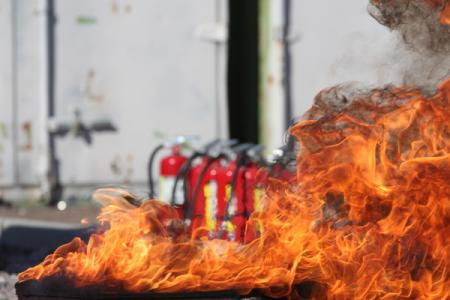
After the fire safety improvements had been completed, the factory later experienced a real fire incident. Fortunately, the measures introduced following Red Box Fire Control's review helped the business respond more effectively and contain the situation.
This outcome demonstrated the value of having the right fire safety arrangements in place before they are needed. By reviewing the site properly, identifying gaps in existing fire extinguisher cover, and ensuring equipment was better matched to the risks within the premises, the factory was in a stronger position when an incident occurred.
The improvements were not simply about adding more fire extinguishers. They were about creating a clearer, more practical fire safety strategy. Correctly selected equipment, sensible placement, clear signage and a better understanding of the site's risks all played an important role in helping the business respond quickly and appropriately.
A lesson for other factories
For factories and industrial premises, fire risks can vary significantly from one site to another, particularly where machinery, electrical equipment, combustible materials, production processes or storage areas are involved. A general approach to fire safety may leave gaps.
The key lesson from this case study is that fire safety should be reviewed before an incident exposes the weaknesses. Fire extinguisher cover, placement, and suitability can easily become outdated as a business changes, especially in busy industrial environments.
Fire Safety for Factories & Industrial Premises: Who This Case Study is For
This page is useful for:
- Factory owners
- Operations managers
- Facilities managers
- Warehouse managers
- Health and safety managers
- Responsible persons
- Commercial landlords
- Businesses with machinery, stock, production areas or high-risk processes.
Why factory fire safety arrangements become outdates
In industrial settings, fire safety arrangements can become inconsistent over time. As premises change, machinery is added, departments move or production areas develop, the original fire safety strategy may no longer reflect the risks within the building.
In this case, the factory had no clear, coherent fire safety strategy in place. Fire extinguisher cover was inconsistent, and some appliances were not suitable for the specific risks in the areas they were intended to protect. This was particularly important around hazardous production areas and high-cost machinery, where the wrong extinguisher could have caused further damage, contamination or unnecessary disruption.
These gaps could have placed personnel, equipment and the wider premises at risk. They may also have raised concerns around compliance and insurance validity if the fire safety arrangements were found to be unsuitable after an incident.
For factories, warehouses and industrial premises, the key risk is not always a lack of fire safety equipment. It is having equipment and procedures that no longer match the way the site actually operates.

Book A Fire Risk Assessment Today
Common fire safety issues found in factories
Factories and industrial premises can change quickly. New machinery, altered layouts, different stock levels or changes to production areas can all affect fire safety. If these changes are not reflected in the fire risk assessment or wide fire strategy, gaps can appear without the business immediately realising.
Common issues found in factories include:
- Incorrect fire extinguisher types for the risks present
- Poor extinguisher placement or equipment that is difficult to access
- Missing, unclear or outdated fire safety signage
- Fire risk assessments that have not been reviewed after site changes
- Staff who are unsure what to do in the event of a fire
- New machinery, layout changes or production processes not reflected in the fire strategy
- Poor housekeeping, including combustible waste or packaging near ignition sources
- Fire hazards close to production, storage or plant areas
- Electrical equipment, wiring or appliances that are not properly maintained
- Incomplete maintenance records for fire safety equipment
- Escape routes, exits or fire equipment blocked by stock or temporary storage.
In many cases, the issue is not that a business has no fire safety measures in place. It is that the measures no longer fully match how the site is being used. For factories, this can create unnecessary risk for staff, machinery, stock and the wider premises.
Why Industrial Premises Need a Different Fire Safety Approach
Factories and warehouses often have more complex fire risks than standard commercial premises. The layout, equipment, materials, and day-to-day operations can vary significantly from one area to another, so fire safety measures need to reflect the way the site is actually used.
Machinery and electrical equipment
Factories often contain expensive machinery, product equipment, electrical panels and specialist systems. These areas need careful consideration, as the wrong fire safety equipment or poor placement can increase the risk of damage, disruption or unsafe response during an incident.
Flammable and combustible materials
Many industrial sites also store or use materials that can increase fire risk, such as packing, stock, oils, chemicals, waste, aerosols, solvents, or process materials. These risks should be considered when reviewing extinguisher types, storage arrangements and general fire precautions.
Complex layouts
Factories and warehouses can include production zones, separate departments, racking, storage areas, access points and designated escape routes. As layouts change, fire equipment and signage may also need to be reviewed to ensure they remain visible, accessible and suitable.
Staff, contractors and visitors
Clear procedures are essential when different people use the site, including employees, contractors and visitors. Staff should understand what to do in the event of a fire, and those with additional responsibilities may need more specific fire safety or warden training.
Business interruption
Fire safety is not only about meeting compliance requirements. It also helps protect people, machinery, stock, premises and business continuity. For factories and warehouses, even a small incident can cause disruption if the right precautions are not in place.

Choosing the Right Fire Extinguisher for Industrial Settings
Fire extinguishers must match the specific risks in each area of industrial premises. There is no single extinguisher suitable for every situation, especially across sites with offices, machinery, electrical panels, storage areas, flammable liquids or production zones.
In higher-risk areas, the wrong extinguisher may be ineffective or could cause further problems, such as equipment damage, contamination or disruption. For this reason, extinguisher cover should be based on a proper review of the premises, not a one-size-fits-all approach.
| Area of Premises | Fire Safety Consideration |
|---|---|
| Offices | General combustibles and electrical equipment |
| Production areas | Machinery, process risks and staff access |
| Electrical areas | Electrical equipment and safe extinguisher selection |
| Storage areas | Packaging, stock and combustible materials |
| Kitchens/Welfare areas | Cooking-related risks |
| Plant rooms | Electrical and mechanical risks |
FIRE EXTINGUISHER TYPES AND WHEN TO USE THEM
Why ABC Dry Powder Extinguishers Were Not Suitable in this Scenario
ABC dry powder extinguishers can be effective in certain situations, particularly where different fire classes may be present. However, they are not always the best option for indoor factory/industrial environments.
In this scenario, dry powder was not suitable because of the potential impact on high-cost machinery and production areas. If discharged, powder can spread widely, creating clean-up issues, contamination risks and unnecessary business disruption.
This is why extinguisher choice should always be based on the specific risks within each area of a site. The most appropriate option is not simply the extinguisher that covers the widest range of fires, but the one that provides suitable proection without avoidable secondary risks.

What is a Dry Powder Extinguisher?
Fire Extinguisher Placement and Signage in Factories
In an industrial environment, fire extinguishers must be positioned so they are clearly visible and easy to reach at all times. If an extinguisher cannot be seen quickly, staff may lose vital seconds during an emergency, particularly in areas where machinery, stock movement and production activity create a dynamic working environment. Placement should always be based on the specific fire risks present in each work area, rather than using a one-size-fits-all approach, because different processes may require different types of extinguishing equipment. A logical layout helps employees identify the nearest suitable appliance without hesitation, supporting a faster and more confident response if a fire occurs.
Clear signage is equally important because it ensures each fire appliance can be identified quickly and correctly in an emergency. Signs should make the equipment easy to locate from normal approach routes and should remain visible even where the factory is busy or contains multiple work zones. Fire equipment should never be blocked by stock, machinery, pallets or temporary storage, as any obstruction can delay access and increase risk to people and property. Placement must also be reviewed whenever the factory layout changes, including alterations to process areas, storage arrangements or circulation routes, so that equipment remains accessible and suitable for the risks present.
Common mistakes we see
- Extinguishers hidden behind stock
- Equipment moved without updating the fire plan
- Signage missing or unclear
- Too many extinguishers in one place and gaps elsewhere
- Extinguishers not matched to the nearby risk
- No clear asset register
Factory Fire Safety Checklist for UK Businesses
A practical checklist
- Has a suitable fire risk assessment been completed?
- Has the fire risk assessment been reviewed after layout, staffing, machinery, or process changes?
- Are the correct extinguishers installed for each risk area?
- Are escape routes clear?
- Are staff trained in fire procedures?
- Are fire wardens or fire marshals appointed where appropriate?
- Is fire safety signage clear and up to date?
- Are maintenance records available?
- Are alarms, emergency lighting and fire doors checked as part of a wider fire safety management?
- Is there a clear incident response plan?
- Are contractors and visitors considered?
- Are high-risk production or storage areas reviewed seperately?
How Red Box Fire Control Assessed the Factory's Fire Safety Arrangements
- Review site layout and building plans
- Survey the full premises
- Survey each department individually
- Build an asset register of portable fire appliances
- Identify gaps, shortfalls and irregularities
- Assess extinguisher requirements against the site risks
- Recommend suitable appliances and locations
- Provide an indexed proposal and action plan
Before and After: How the Factory's Fire Safety Improved
| Before Red Box | After Red Box |
|---|---|
| Inconsistent fire safety arrangements | Clearer fire safety strategy |
| Inappropriate extinguishers in some areas | Extinguishers matched to risk areas |
| High-value machinery exposed to contamination risk | Better protection for machinery and assets |
| Fire cover irregularities | Indexed proposal and improved fire cover |
| Unclear or inconsistent appliance locations | Appliances positioned and signed more clearly |
| Increased compliance concerns | Safer and more compliant arrangements |
The results: Safer, smarter, compliant
Once the proposal had been accepted Red Box Fire Control began to strategically place fire cover throughout the premises.
A clear strategy had been created, with the clear locations of all fire-fighting appliances conspicuously positioned and appropriately signed for ease of identification by any potential user.
This fire strategy not only improved compliance but drastically enhanced risk mitigation across the factory.
Key Outcomes:
- Improved extinguisher suitability
- Better fire equipment visibility
- More coherent fire safety strategy
- Reduced risk to people, machinery and premises
- Improved readiness in the event of a fire
- Greater confidence in compliance

What Other Factories and Industrial Premises Can Learn from this Fire Safety Case Study
This case study highlights how fire safety provisions can quickly become outdated as a site evolves. In factories and industrial environments, machinery is relocated, new equipment is installed, departments expand, and operational requirements change over time. Without regular reviews, existing fire protection measures may no longer provide the appropriate level of cover for the risks present.
For other factories, the key lesson is to review fire safety before an incident exposes the weaknesses. Fire extinguishers should be suitable for the risks in each area, positioned where they can be accessed quickly, and supported by clear signage and staff awareness.
A suitable fire safety strategy helps protect more than the building itself. It supports staff safety, protects machinery and stock, reduces unnecessary disruption and gives the business greater confidence that the right measures are in place if a fire occurs.
Fire Safety Services for Factories, Warehouses, and Commercial Premises
With over 39 years of experience, we have built established trust-based relationships through consistent focus on quality and integrity.
Our experience and ethical approach
Over more than three decades, Red Box Fire Control has developed an unmatched expertise in providing comprehensive fire safety services.


Fire Safety Services for Factories, Warehouses, and Commercial Premises
Why Choose Red Box Fire Control?
With over 39 years of experience, we have built established trust-based relationships through consistent focus on quality and integrity. We have helped many factories, warehouses, and other commercial premises meet their fire safety obligations with practical, standards-led support that is designed to reduce risk and improve compliance.
Based in Didcot, Oxfordshire, Red Box Fire Control serves the Thames Valley, Buckinghamshire, Berkshire, Hampshire, London, Surrey, and Wiltshire, giving local and regional organisations access to a trusted provider with wide coverage.
From fire risk assessments and staff fire safety training to extinguisher maintenance, fire safety signage, fire warden equipment and more, Red Box Fire Control provides a comprehensive, tailored service that is designed to keep people protected and businesses prepared.
Whether you need annual extinguisher servicing, fire risk assessment services, a one-off visit, fire extinguisher hire or a full fire safety solution across multiple locations, we aim to deliver clear advice, responsive support and consistent quality.
Red Box Fire Control - Fire protection you can trust.
FAQs
What fire safety measures does a factory need?
A factory should have a suitable fire risk assessment, clear escape routes, correct fire extinguisher cover, fire safety signage, emergency lighting, staff training, and regular maintenance of fire safety equipment. The exact measures will depend on the size, layout, processes, and risks within the factory. Red Box Fire Control can help identify what is needed through a Fire Risk Assessment or a review of existing fire safety arrangements.
How often should a factory fire risk assessment be reviewed?
A factory fire risk assessment should be reviewed regularly, especially if there are changes to the building, layout, staffing, equipment, materials, or working processes. It should also be reviewed after a fire, near miss, or significant change in risk. For larger, or more complex factories, using a qualified assessor is often the safest and most practical option. See Red Box Fire Control's Fire Risk Assessment Service.
What fire extinguishers does a factory need?
Most factories need a mix of extinguishers to suit the risks on site, such as water, foam, CO2, powder, or wet chemical units. The correct choice depends on the materials, machinery, electrical equipment, and processes in the building. Red Box Fire Control can advise on suitable fire extinguishers and ensure your cover is appropriate for your premises.
Are dry powder extinguishers suitable indoors?
Dry powder extinguishers can be very effective, but they are not always suitable for general indoor use as we can see in the case study above. In many indoor areas, other extinguisher types may be more appropriate. The best option is to have your site assessed so the extinguisher provision matches the actual risks.
Why is fire extinguisher placement important?
Fire extinguishers need to be easy to find, clearly visible, and positioned where they can be reached safely in an emergency. Correct placement also helps ensure the right extinguisher is available for the right type of fire. Red Box Fire Control's Fire Extinguisher Maintenance service includes checks that keep the equipment accessible, recorded, and ready to use.
Do factory staff need fire safety training?
Yes. Factory staff should understand fire risks, evacuation procedures, how to raise the alarm, and what to do in an emergency. Some staff may also need additional fire warden or extinguisher training, depending on their role. Red Box Fire Control provides Staff Fire Safety Training and practical Fire Extinguisher Training.
Can Red Box Fire Control review existing fire extinguisher cover?
Yes. Red Box Fire Control can review your existing fire extinguisher cover and advise whether it is suitable for your building, risks, and layout. Our aim is to provide clear, honest advice and only recommend what is necessary.
You can find more about our Services here.
How many fire extinguishers does a factory need?
There is no single number that suits every factory. The number depends on the size of the building, fire risks, floor area, travel distances, processes, and equipment on site. A proper assessment or extinguisher survey will confirm the right number, type, and location of extinguishers for your premises. Red Box Fire Control offers free advice to help you get this right.
Related Fire Safety Guides
Fire Extinguisher Guidance
- Fire Extinguisher Types and When to Use Them
- The Essential Role of Portable Fire Equipment
- 5 Reasons Why Fire Extinguishers Need Regular Maintenance
Fire Risk and Compliance
Signage and Workplace Safety
Training
Does your Factory or Industrial Premises Need a Fire Safety Review?
Red Box Fire Control can review your current fire extinguisher cover, identify gaps in your fire safety arrangements, recommend suitable equipment and support your business with fire risk assessments, maintenance and staff training.
Book a Fire Safety Review for your factory